
"Burundi Ngozi"
400 article(s) found

Burundian coffee bean flavor Burundian coffee beans Burundian coffee characteristics
Burundi coffee was introduced by Belgian colonists in 1930. Unfortunately, many of these farms are on the border with war-torn Rwanda, putting pressure on coffee production. Coffee production in Burundi: Burundian coffee is now grown only on small farms. Almost all the coffee produced in Burundi is Arabian coffee beans.

Burundian coffee bean flavor Burundian coffee beans Burundian coffee characteristics
Burundi coffee was introduced by Belgian colonists in 1930. Unfortunately, many of these farms are on the border with war-torn Rwanda, putting pressure on coffee production. Coffee production in Burundi: Burundian coffee is now grown only on small farms. Almost all the coffee produced in Burundi is Arabian coffee beans.

Characteristics of coffee producing area in Burundi introduction of boutique coffee beans in Burundi
Characteristics of Burundi Coffee: Burundi (Burundian) has the most diverse and successful coffee industry in the world, and has its own characteristics. Burundian coffee is fragrant and has excellent acidity. Flavor: mellow taste, rich aroma, excellent acidity recommended roasting method: medium to deep roasted Burundian (Burundi) coffee was roasted by Belgian colonists in 1930

Burundian Coffee the characteristics and flavor description of Burundian coffee
Burundi coffee was introduced by Belgian colonists in 1930. Unfortunately, many of these farms are on the border with war-torn Rwanda, putting pressure on coffee production. Coffee production in Burundi: Burundian coffee is now grown only on small farms. Almost all the coffee produced in Burundi is Arabian coffee beans.

Boutique coffee bean producing countries introduce Burundian coffee
Burundi coffee was introduced by Belgian colonists in 1930. Unfortunately, many of these farms are on the border with war-torn Rwanda, putting pressure on coffee production. Coffee production in Burundi: Burundian coffee is now grown only on small farms. Almost all the coffee produced in Burundi is Arabian coffee beans.

Burundi has the most varied and successful coffee fields in the world.
Fragrant, soft-flavored coffee from war-torn areas. Burundi has the most diverse and successful coffee industry in the world, and has its own characteristics. Coffee in this country was introduced by Belgian colonists in 1930 and is now grown only on small farms. Unfortunately, many of these farms are located on the border with war-torn Rwanda.
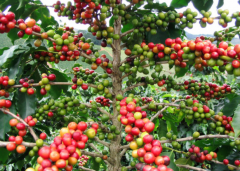
Burundi has the most diverse and successful coffee industry in the world.
Boutique coffee has a rich and beautiful taste. Even if the coffee made of boutique coffee beans is not all fine coffee, it depends on whether it gives full play to the characteristics of coffee beans, whether it has a good taste, if not, it can not be called boutique coffee. Fragrant, soft-flavored coffee from war-torn areas. The existence of Burundi (Burundi)

Introduction to the characteristics of Burundian coffee beans
Burundi coffee was introduced by Belgian colonists in 1930. Unfortunately, many of these farms are on the border with war-torn Rwanda, putting pressure on coffee production. Coffee production in Burundi: Burundian coffee is now grown only on small farms. Almost all the coffee produced in Burundi is Arabian coffee beans.

Burundian coffee flavor Burundian coffee characteristics Burundian coffee taste
Burundi coffee was introduced by Belgian colonists in 1930. Unfortunately, many of these farms are on the border with war-torn Rwanda, putting pressure on coffee production. Coffee production in Burundi: Burundian coffee is now grown only on small farms. Almost all the coffee produced in Burundi is Arabian coffee beans, while

Burundian coffee bean flavor Burundian coffee beans Burundian coffee characteristics
Burundi coffee was introduced by Belgian colonists in 1930. Unfortunately, many of these farms are on the border with war-torn Rwanda, putting pressure on coffee production. Coffee production in Burundi: Burundian coffee is now grown only on small farms. Almost all the coffee produced in Burundi is Arabian coffee beans.

Excellent acidity Burundian coffee flavor, characteristics, taste and manor introduction
Burundi coffee was introduced by Belgian colonists in 1930. Unfortunately, many of these farms are on the border with war-torn Rwanda, putting pressure on coffee production. Coffee production in Burundi: Burundian coffee is now grown only on small farms. Almost all the coffee produced in Burundi is Arabian coffee beans, while

Burundian coffee bean flavor Burundian coffee beans Burundian coffee characteristics
Burundi coffee was introduced by Belgian colonists in 1930. Unfortunately, many of these farms are on the border with war-torn Rwanda, putting pressure on coffee production. Coffee production in Burundi: Burundian coffee is now grown only on small farms. Almost all the coffee produced in Burundi is Arabian coffee beans.

Burundian Coffee Union Burundi Coffee Alliance Gaisilla processing Plant Gasera FW
Professional coffee knowledge exchange more coffee bean information please follow the coffee workshop (Wechat official account cafe_style) Burundi Burundi is located in Burundi in the interior of Africa, the national land area is only 28000 square kilometers, but the people with agriculture as the main income is as high as 90%, of which coffee is the largest. The coffee industry here has literally saved the lives of most people.

Burundi, the world's boutique coffee producing area
Coffee with strong fragrance and soft taste. Burundi has the most diverse and successful coffee industry in the world, and has its own characteristics. Coffee in this country was introduced by Belgian colonists in 1930 and is now grown only on small farms. Unfortunately, many of these farms are located on the border with war-torn Rwanda, which is used for coffee production.
Rich fragrant coffee with a soft taste Burundi
Fragrant and mild coffee from war-torn areas, Burundi has the most diverse and successful coffee industry in the world, and has its own characteristics. Coffee in this country was introduced by Belgian colonists in 1930 and is now grown only on small farms. Unfortunately, many of these farms are located on the border with war-torn Rwanda, which

Burundi Aromatic coffee beans from war-torn areas
Burundi has one of the most diverse and successful coffee industries in the world, and it has its own characteristics. Coffee was introduced to the country by Belgian colonists in 1930 and is now grown only on small farms. Unfortunately, many of these farms are located on the border with war-torn Rwanda, which